News

How to Choose the Right CNC Tool Holder for Different Machining Applications
28
2026.07
How to Choose the Right CNC Tool Holder for Different Machining Applications
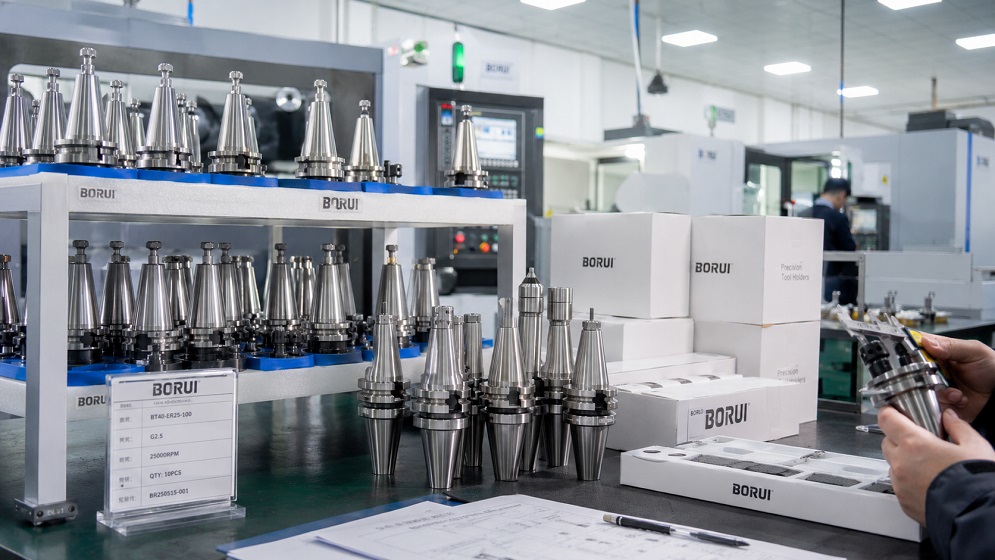
Choosing the right CNC tool holder is one of the most important decisions in machining. A tool holder does much more than connect the cutting tool to the spindle or turret. It directly affects clamping stability, runout, vibration, surface finish, tool life, and overall machining efficiency. The first step is to understand the machining application. Different processes require different holder characteristics. A finishing operation often needs excellent concentricity and vibration damping, while rough milling usually needs stronger clamping force and higher rigidity. Turning centers, on the other hand, require tooling systems designed for turret-based machining rather than spindle-mounted milling holders. For precision milling and finishing, hydraulic holders are a common choice. Their hydraulic clamping system provides stable grip and good vibration damping, which helps improve surface finish and machining consistency. They are often used in mold machining, precision part finishing, and small-diameter tool applications where stable runout is important. For high-speed machining, shrink fit holders are widely used. They offer strong clamping force, a slim body design, and good balance performance. This makes them suitable for high-RPM cutting, deep cavity machining, and applications where tool access is limited. In mold and die work, shrink fit holders are especially useful because......
Read More
What Makes a Reliable CNC Tool Holder Manufacturer?
18
2026.06
What Makes a Reliable CNC Tool Holder Manufacturer?
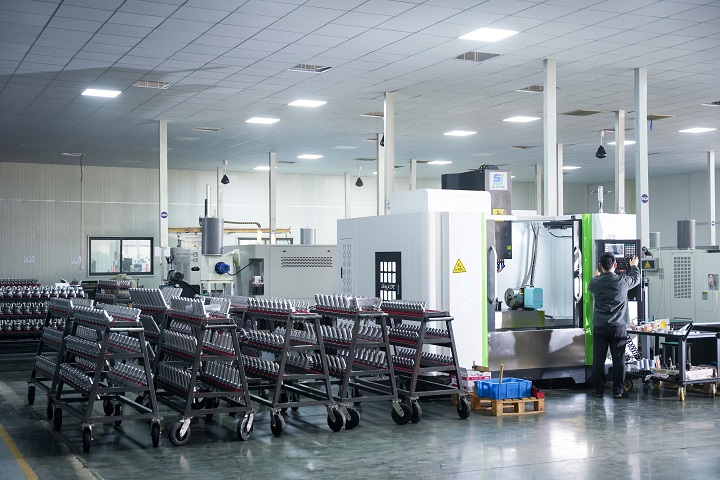
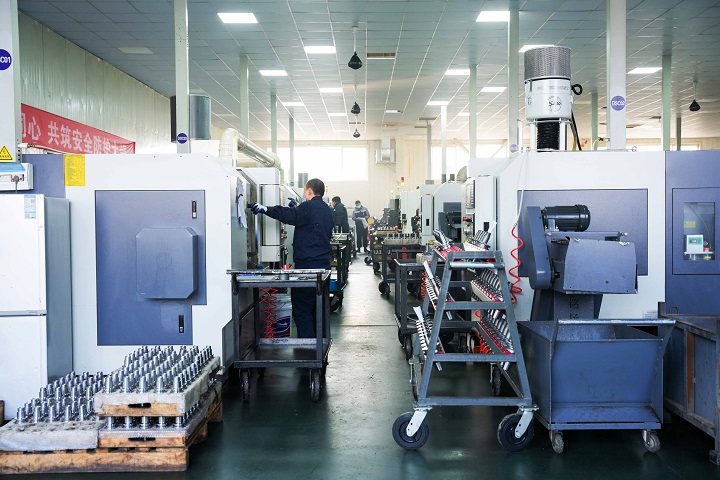
For buyers in the machining industry, choosing a CNC tool holder manufacturer is not only about price. Tool holders directly affect machining accuracy, vibration control, spindle protection, tool life, and production stability. A reliable supplier should offer more than a catalog. They should provide stable quality, manufacturing capability, and practical technical support. The first thing to look for is product specialization. A professional tool holder manufacturer should understand the differences between hydraulic holders, shrink fit holders, power chucks, VDI tool holders, BMT tool holders, and angle heads. Different machining tasks require different holder structures, and a qualified supplier should be able to explain where each product fits. The second key factor is precision manufacturing capability. Tool holders are tolerance-sensitive components. Their performance depends on turning, grinding, heat treatment, and assembly accuracy. A reliable manufacturer should have suitable CNC machining equipment, precision grinding capability, and a controlled production process rather than basic general machining only. Quality control is equally important. Buyers should check whether the supplier can control taper accuracy, runout, clamping bore tolerance, balance performance, and assembly quality for driven tooling products. A tool holder may look fine visually but still fail in real machining if its critical dimensions are......

Read More